I love this recipe because it combines the texture of traditional focaccia with the flavors of a cinnamon roll. The long fermentation gives the dough plenty of time to become light and airy, while browned butter and cinnamon sugar turn the surface into a rich, caramelized topping.
I also appreciate that I do not need to roll out dough, spread filling, or shape individual rolls. Once the dough has risen, I simply transfer it to the pan, add the cinnamon sugar mixture, dimple the surface, and bake.
The two-stage topping is another feature I enjoy. I add most of the cinnamon sugar before baking, then finish with more browned butter, cinnamon sugar, and turbinado sugar partway through. This creates both gooey and crisp textures.
Finally, I like serving the bourbon cream cheese glaze alongside the focaccia. It adds sweetness, tanginess, and a subtle bourbon flavor, and I can drizzle on as much or as little as I want.
Ingredients
(Note: All ingredient amounts are listed in the recipe card below.)
500g bread flour
375g warm water, divided (90–100°F)
¼ teaspoon active dry yeast
1¾ – 1⅞ teaspoon fine sea salt, depending on preference
Neutral oil or melted butter (for greasing bowl and pan)
4 tablespoon salted browned butter (divided)
7 tablespoons packed light brown sugar
3 tablespoons granulated sugar
3 tablespoons turbinado sugar
4 ¼ teaspoons ground cinnamon
Pinch fine sea salt
1½ oz cream cheese, softened
2 tablespoons salted butter, softened
1 teaspoon vanilla bean paste
¼ teaspoon lemon juice
1 ½ teaspoons bourbon
Pinch sea salt
⅔ cup powdered sugar
2–4 tablespoons milk or cream, as needed for drizzling consistency
Directions
Mix the Flour and Water (Autolyse)
In a large mixing bowl, I combine the flour with all but 1 tablespoon of the warm water. I stir until there are no dry spots remaining. At this stage, I expect the dough to look shaggy.
I cover the bowl and let the dough rest for 20 minutes. After resting, I look for fully hydrated dough without any visible dry flour, although it will still appear rough rather than smooth.
Meanwhile, I sprinkle the yeast over the reserved 1 tablespoon of warm water in a small bowl and let it dissolve.
Add Salt and Yeast
I sprinkle the salt evenly over the rested dough and pour the dissolved yeast over it.
With damp hands, I stretch and fold the dough by reaching underneath it, stretching it upward, and folding it over the top. I rotate the bowl and repeat this process 4–5 times.
I gently squeeze the dough in several places to help distribute the yeast and salt throughout it.
I perform a few more stretches and folds until the dough starts looking smoother. I do not expect it to become perfectly smooth yet, but I look for a stronger, stretchier dough that holds together better.
I cover the bowl and let the dough rest at room temperature for 1 hour.
Final Fold + Bulk Fermentation
I give the dough one more complete set of folds.
I transfer it to a clean, lightly greased bowl with the smooth side facing upward.
I cover the bowl and allow the dough to rise at room temperature until doubled and filled with visible bubbles. I look for dough that feels airy and jiggly, with bubbles around the edges.
If the dough still appears dense and has not developed enough bubbles, I give it another 30–60 minutes because fermentation speed can vary with room temperature.
Pan & Proof
I grease a 9×13-inch metal baking pan with softened butter.
I gently transfer the dough to the prepared pan and carefully stretch it toward the edges without forcing or deflating it. If it naturally relaxes and spreads, I leave it alone rather than overworking it.
I cover the pan and allow the dough to rise until noticeably puffy and bubbly, about 1–2 hours. I look for large bubbles developing just beneath the surface.
First Cinnamon Sugar Layer (Gooey Base)
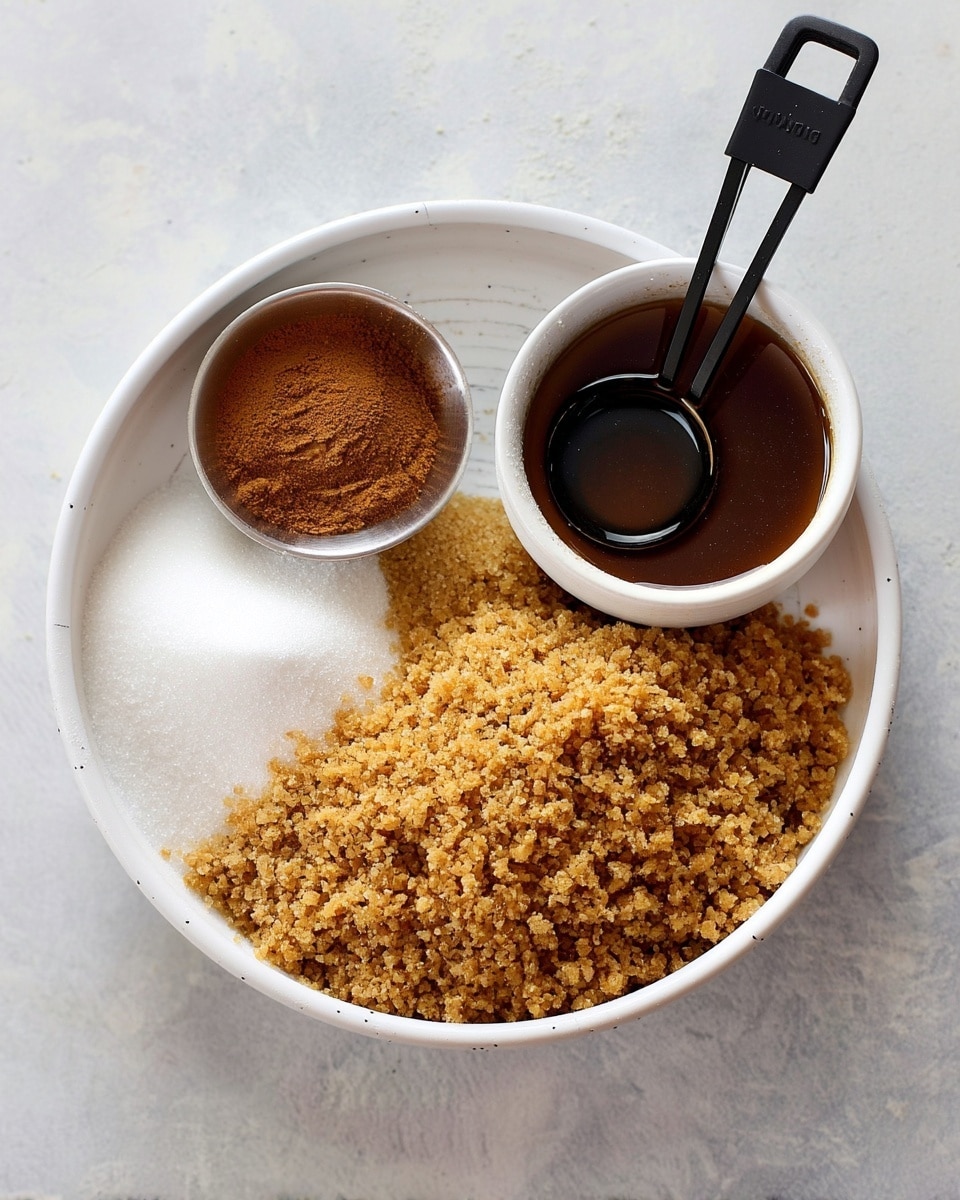
In a bowl, I combine the cinnamon, brown sugar, granulated sugar, and pinch of salt.
I drizzle 3 tablespoon browned butter evenly over the surface of the dough.
I sprinkle two-thirds of the cinnamon sugar, about 7 ½ tablespoons, evenly over the top and reserve the remainder.
I lightly oil my hands and gently press my fingertips straight down across the entire surface. I make small indentations rather than deep holes, giving the dough a bumpy surface where the cinnamon sugar can settle. I work gently so I do not deflate the risen dough.
Bake, Then Add Second Layer
I preheat the oven to 425°F (220°C).
I bake the focaccia for 14 minutes. At this point, I look for a surface that is set and lightly golden around the edges while remaining paler toward the center. The cinnamon sugar should appear melted and glossy.
I remove the focaccia from the oven and quickly drizzle it with the remaining 1 tablespoon browned butter.
I combine the remaining one-third of the cinnamon sugar with the turbinado sugar and sprinkle the mixture over the focaccia.
I return the pan to the oven and bake for another 10–12 minutes. I look for deeply golden edges and bubbling, caramelized sugar across the surface. The center should no longer appear wet, although the caramelized topping can remain glossy.
Make the Glaze
In a bowl, I whisk the softened cream cheese and butter together until smooth.
I whisk in the vanilla bean paste, lemon juice, bourbon, and salt.
I stir in the powdered sugar until the glaze becomes smooth.
I add milk or cream 1 tablespoon at a time until I reach a pourable consistency. I look for a glaze that falls from the whisk in a slow, steady ribbon rather than immediately disappearing into the bowl.
Finish & Serve
I slice the finished focaccia into squares or strips and serve the glaze alongside for drizzling or dipping.
Servings and Timing
This Cinnamon Sugar Focaccia makes 12 servings.
Yield: 12
Prep Time (Hands On): 35 minutes
Total Rise Time: 5 hours 15 minutes
Total Bake Time: 25 minutes
Total Time: 6 hours 15 minutes
I keep in mind that fermentation times can vary depending on the temperature of my kitchen and the activity of the yeast. The hands-on preparation generally takes around 30–40 minutes, while most of the recipe time is passive rising.
The autolyse takes about 20 minutes, bulk fermentation can take approximately 4–6 hours, and the final proof generally requires 1–2 hours. Baking takes about 24–26 minutes total, including a 14-minute first bake followed by another 10–12 minutes after I add the second cinnamon sugar layer.
Variations
Skip the Bourbon
When I want an alcohol-free glaze, I leave out the bourbon and add a little extra milk or cream as needed. I still get a creamy glaze with plenty of vanilla and cream cheese flavor.
Add Chopped Pecans
I can sprinkle finely chopped pecans over the cinnamon sugar topping for extra crunch. I especially like the combination of toasted nuts, browned butter, cinnamon, and caramelized brown sugar.
Add Walnuts
I can use chopped walnuts instead of pecans for a slightly earthier flavor. I scatter them lightly over the surface so they do not overpower the soft texture of the focaccia.
Make a Simple Vanilla Glaze
Instead of the cream cheese glaze, I can mix powdered sugar, vanilla, and enough milk or cream to create a pourable consistency. I use this variation when I want a lighter and sweeter finish.
Add Orange Flavor
I can add a small amount of finely grated orange zest to the glaze. I find the citrus helps balance the richness of the butter, brown sugar, and cinnamon.
Add More Cinnamon
When I want an especially bold cinnamon flavor, I can add a little extra ground cinnamon to the sugar mixture. I avoid adding too much because I still want the browned butter and caramelized sugar flavors to come through.
Storage/Reheating
I store leftover Cinnamon Sugar Focaccia in an airtight container once it has cooled completely. If I have not added the cream cheese glaze directly to the bread, I can keep the unglazed focaccia at room temperature for about 1–2 days.
I refrigerate the bourbon cream cheese glaze separately in an airtight container because it contains cream cheese and milk or cream. If I have already glazed the entire focaccia, I refrigerate the leftovers rather than storing them at room temperature.
For longer storage, I can freeze individual pieces of unglazed focaccia. I wrap them well and place them in a freezer-safe container or bag. I prefer freezing the bread without the glaze and preparing or adding the glaze after thawing.
To reheat individual pieces, I warm them briefly in a low oven until soft and slightly warm. I can also use a microwave for a few seconds when I want a faster option. I add the cream cheese glaze after reheating rather than heating the glaze with the bread.
FAQs
Can I make Cinnamon Sugar Focaccia ahead of time?
Yes. I can prepare the dough ahead and plan the fermentation around when I want to bake it. I find this especially helpful because most of the preparation time involves waiting for the dough to rise rather than active work.
Why is my focaccia dough so sticky?
I expect focaccia dough to be quite wet and sticky because of its relatively high hydration. Instead of adding extra flour, I use damp or lightly oiled hands when stretching, folding, and handling it. This helps me preserve the moisture that contributes to the airy texture.
How do I know when the dough has risen enough?
I look for dough that has noticeably increased in volume and developed plenty of bubbles. During bulk fermentation, it should appear airy and jiggly and wobble when I gently move the bowl. During the final proof, I look for a puffy surface with visible bubbles beneath it.
Why do I dimple focaccia dough?
I dimple the dough to create the characteristic uneven focaccia surface and give the cinnamon sugar and browned butter places to settle. I press gently because I want to preserve as many of the fermentation bubbles as possible.
Can I leave out the bourbon?
Yes. I can omit the bourbon from the glaze without affecting the focaccia itself. I replace it with a little additional milk or cream if necessary to reach the desired drizzling consistency.
Can I use all-purpose flour instead of bread flour?
I prefer bread flour because its higher protein content helps create the chewy, structured texture I want in focaccia. All-purpose flour can produce different dough strength and texture, so I get the most consistent results by sticking with the bread flour specified in the recipe.
Why is the cinnamon sugar added in two stages?
I add the cinnamon sugar in two stages because it creates different textures. The first layer melts into the browned butter and dough, producing a gooey cinnamon base, while the second layer develops a more caramelized, slightly crisp finish.
How do I know when the focaccia is fully baked?
I look for deep golden edges, bubbling and caramelized sugar, and a center that no longer appears wet. I do not worry if the very top still looks slightly glossy because caramelized sugar can retain a shiny appearance.
Can I freeze Cinnamon Sugar Focaccia?
Yes. I prefer freezing individual portions without the cream cheese glaze. Once thawed, I gently reheat the focaccia and add fresh or refrigerated glaze before serving.
What is the best way to serve Cinnamon Sugar Focaccia?
I like serving it slightly warm, cut into squares or strips, with the bourbon cream cheese glaze on the side. This allows me to drizzle or dip each serving individually while preserving the texture of the caramelized cinnamon sugar topping.
Conclusion
Cinnamon Sugar Focaccia gives me the best parts of cinnamon rolls in a simpler, rustic bread. I get a soft and airy interior, buttery cinnamon sugar, caramelized edges, and a creamy bourbon glaze without having to roll and shape individual pastries.
Cinnamon Sugar Focaccia combines a soft, airy, chewy focaccia with browned butter and layers of caramelized cinnamon sugar. A creamy bourbon cream cheese glaze makes it a rich breakfast, brunch, or dessert treat.
Author:Amy
Prep Time:35 minutes
Cook Time:25 minutes
Total Time:6 hours 15 minutes
Yield:12 servings
Category:Breakfast
Method:Baking
Cuisine:Italian-American
Diet:Vegetarian
Ingredients
500g bread flour
375g warm water, divided (90–100°F)
¼ teaspoon active dry yeast
1¾–1⅞ teaspoons fine sea salt, depending on preference
Neutral oil or melted butter, for greasing bowl and pan
4 tablespoons salted browned butter, divided
7 tablespoons packed light brown sugar
3 tablespoons granulated sugar
3 tablespoons turbinado sugar
4¼ teaspoons ground cinnamon
Pinch fine sea salt
1½ ounces cream cheese, softened
2 tablespoons salted butter, softened
1 teaspoon vanilla bean paste
¼ teaspoon lemon juice
1½ teaspoons bourbon
Pinch sea salt
⅔ cup powdered sugar
2–4 tablespoons milk or cream, as needed for drizzling consistency
Instructions
Combine the bread flour with all but 1 tablespoon of the warm water in a large mixing bowl. Stir until no dry flour remains. Cover and rest for 20 minutes.
Meanwhile, sprinkle the active dry yeast over the reserved 1 tablespoon warm water and allow it to dissolve.
Sprinkle the fine sea salt evenly over the rested dough and pour the dissolved yeast mixture over it.
With damp hands, reach underneath the dough, stretch it upward, and fold it over the top. Rotate the bowl and repeat 4 to 5 times. Gently squeeze the dough in several places to distribute the yeast and salt, then perform a few additional folds until the dough becomes stronger and smoother.
Cover the bowl and let the dough rest at room temperature for 1 hour.
Give the dough one more complete set of folds, then transfer it to a clean, lightly greased bowl with the smooth side facing upward.
Cover and allow the dough to rise at room temperature until doubled, airy, jiggly, and filled with visible bubbles. If necessary, allow an additional 30 to 60 minutes for fermentation.
Grease a 9×13-inch metal baking pan with softened butter or neutral oil. Gently transfer the dough to the pan and carefully stretch it toward the edges without forcing or deflating it.
Cover the pan and proof the dough for 1 to 2 hours, until noticeably puffy with large bubbles developing beneath the surface.
Combine the ground cinnamon, brown sugar, granulated sugar, and a pinch of fine sea salt in a bowl.
Drizzle 3 tablespoons browned butter evenly over the risen dough. Sprinkle approximately two-thirds of the cinnamon sugar mixture evenly over the surface, reserving the remainder.
Lightly oil your hands and gently press your fingertips straight down across the dough to create small indentations without excessively deflating it.
Preheat the oven to 425°F (220°C). Bake the focaccia for 14 minutes, until the surface is set, the edges are lightly golden, and the cinnamon sugar is melted and glossy.
Remove the focaccia from the oven and quickly drizzle the remaining 1 tablespoon browned butter over the surface.
Combine the reserved cinnamon sugar mixture with the turbinado sugar and sprinkle it evenly over the focaccia.
Return the focaccia to the oven and bake for another 10 to 12 minutes, until the edges are deeply golden and the sugar topping is bubbling and caramelized.
To make the glaze, whisk the softened cream cheese and 2 tablespoons softened salted butter together until smooth.
Whisk in the vanilla bean paste, lemon juice, bourbon, and a pinch of sea salt. Stir in the powdered sugar until smooth.
Add milk or cream 1 tablespoon at a time until the glaze reaches a pourable consistency and falls from the whisk in a slow, steady ribbon.
Allow the focaccia to cool slightly, then slice into 12 squares or strips. Serve slightly warm with the bourbon cream cheese glaze alongside for drizzling or dipping.
Notes
Focaccia dough is naturally wet and sticky. Use damp or lightly oiled hands instead of adding extra flour when handling it.
Fermentation time can vary depending on room temperature and yeast activity. Look for an airy, jiggly dough with plenty of visible bubbles rather than relying only on the clock.
Finely chopped pecans or walnuts can be sprinkled over the cinnamon sugar for extra crunch.
For a lighter topping, replace the cream cheese glaze with a simple glaze made from powdered sugar, vanilla, and milk or cream.
Finely grated orange zest can be added to the glaze for a fresh citrus note.
Store unglazed focaccia in an airtight container at room temperature for 1 to 2 days. Refrigerate the cream cheese glaze separately.
If the focaccia has already been glazed, store it covered in the refrigerator.
Unglazed portions can be frozen in a freezer-safe container. Thaw and gently reheat before adding glaze.
For the best texture, serve the focaccia slightly warm with the glaze added after reheating.